

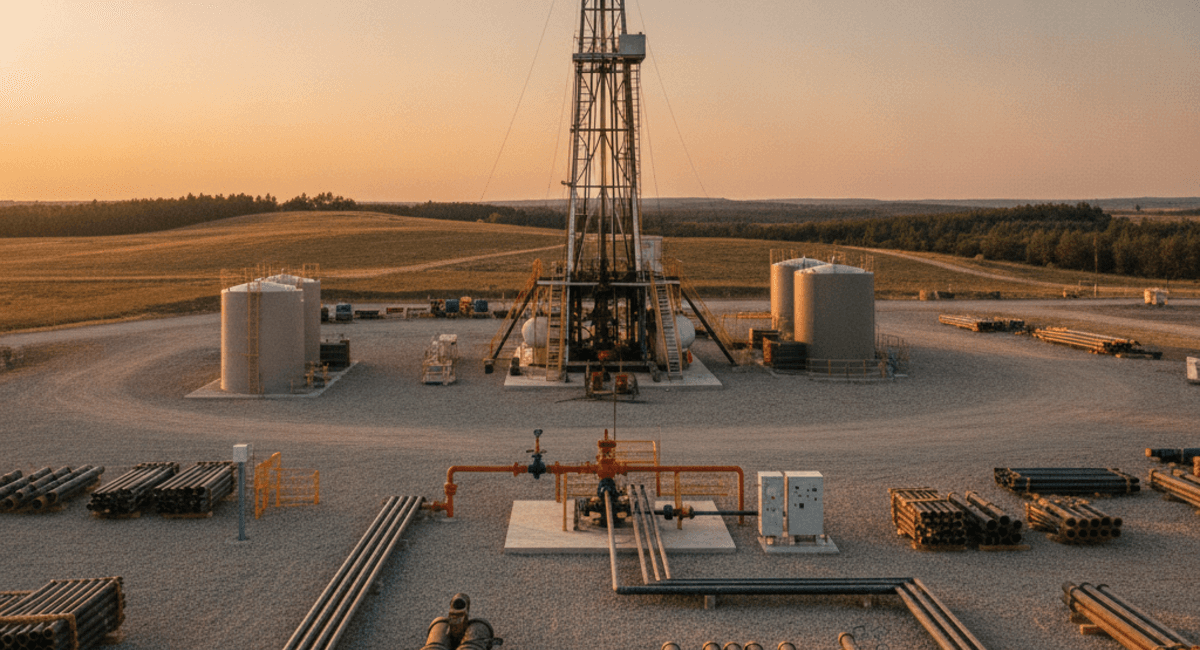
Key Takeaways
- Oil well drilling costs in the US vary widely from $600,000 for shallow wells to over $10 million for complex projects, with additional operating expenses, tax incentives, regional variations, and risk factors influencing both profitability and optimal ownership structure for investors.
Understanding how much an oil well costs involves a range of financial, operational, and legal details. Many users seek not only price ranges but also practical examples and factors beyond drilling expenses, echoing the need for clear breakdowns and real investor experiences.
This article explains oil well costs from initial drilling to ongoing operations and investment returns. Backed by expertise from Invest In Energy, it provides investors with trustworthy insight into drilling expenses, ownership pathways, risk factors, and profit potential in oil well investments.
Key Takeaways
Drilling costs for oil wells can range from $600,000 to over $10 million depending on location, depth, and design.
Ongoing operating expenses significantly affect oil well profitability and must be factored into investment decisions.
Investors may access oil wells through direct purchase, syndicates, or royalty and working interests.
Risks include geological uncertainty, market volatility, regulatory changes, and operational downtime.
Oil well returns vary widely and are influenced by production levels, oil prices, costs, and tax incentives.
The Basics of Oil Well Costs and Investment Minimums
Oil well costs begin with drilling and extend into completion and ongoing operational expenses. Getting a complete picture early helps investors prepare for both financial and legal steps tied to ownership or partnership.
You will learn about typical well costs, entry points for various investor types, and common recurring expenses that follow the initial drilling phase.
How much does it cost to drill an oil well?
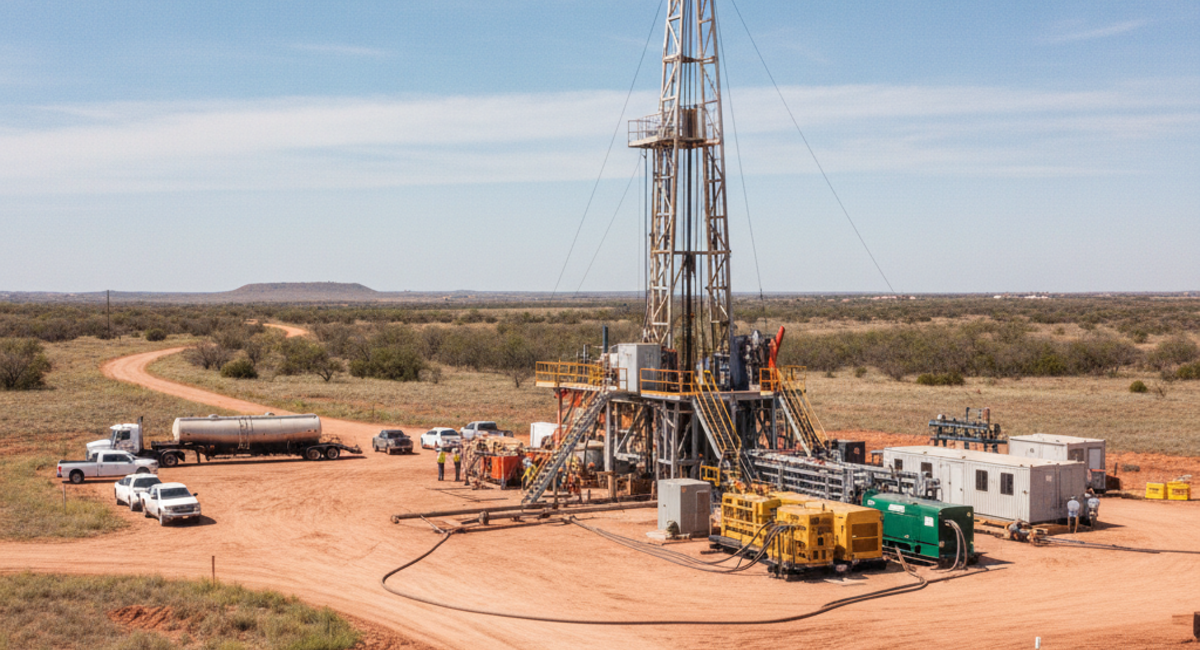
The total drilling cost of an oil well in the US can range dramatically depending on well location, depth, geology, and method. Shallow, vertical wells may cost $600,000 to $2 million, while complex horizontal wells in premium basins such as the Permian or Bakken often reach $6 million to $10 million or more. State regulations and required technology further influence final costs. According to a 2024 EIA report, cost variability remains highest in unconventional plays due to engineering demands and regional market differences. For additional technical details on drilling methods and upstream cost drivers, see the oil and gas drilling.
What is the minimum investment required?
Oil well investment minimums depend on the path to ownership. Direct working interests in new drilling projects may require $25,000 to $100,000+ as a minimum commitment. Fractional ownership via syndications or funds could lower entry thresholds to $5,000 to $10,000. Institutional deals and SEC-regulated offerings can call for higher minimums. Accredited investor status is frequently necessary for most direct oil well investments but some structures accommodate a wider range of participants.
Are there additional expenses beyond initial drilling costs?
After the well is drilled, ongoing operating expenses are substantial contributors to total investment outlays. Investors must plan for regular production maintenance, equipment replacement, regulatory compliance, insurance, property taxes, and local support services. Many of these expenses recur monthly or annually and directly impact net returns.
Buying small oil wells: What’s involved?
Purchasing an ownership stake in an existing producing oil well requires careful transactional and legal process navigation. After identifying potential acquisition targets, investors conduct due diligence on well history, financials, and compliance status. Closing steps include contract negotiation, title verification, regulatory filings, and transition arrangements with the previous operator or management team. Legal counsel and professional consultants are almost always involved.

Cost Breakdown: Drilling, Completion, and Regional Variations
Analyzing capital needs for oil well development demands an understanding of drilling and completion costs, regional price swings, and practical ways to reduce project spending.
The following sections provide clarity on the biggest cost drivers and offer real-world examples pulled from US onshore markets.
What determines oil and gas drilling costs?
Multiple key factors set the price of drilling an oil well. Location, well type, technical complexity, and equipment selection are the main drivers. Reservoir geology affects both depth and drilling method, while supply chain conditions and rig availability can increase or decrease expenses. Labor and regulatory costs add further variability.
Typical cost breakdown: Drilling, completion, and production
A typical oil well project divides spending among several major phases. Drilling often claims 50–60% of the total budget, with completion (e.g., casing, stimulation, testing) using 20–30%. The rest supports surface facilities, initial production setup, and regulatory requirements. Enhanced recovery methods or advanced technology can significantly alter this mix. For a fuller explanation of how project budgets are structured, reference working interest analysis in oil and gas projects.
How much does it cost to drill an oil well in the US?
Recent reports estimate that drilling an oil well in Texas averages $4 million to $6 million for 6,500-foot horizontal wells, while conventional onshore wells in states like Kansas or Oklahoma may cost $1 million to $2.5 million. North Dakota’s Bakken Shale often runs $7 million or more per well due to depth and technical demands. Significant cost variations also result from local labor markets and available infrastructure. According to a 2024 EIA report on US regional oil well cost variability, wells in the Northeast US, particularly the Marcellus region, can exhibit higher cost structures due to unique regulatory frameworks.
Factors that impact drilling costs
Investors should understand the main variables that influence project pricing. This section outlines core factors impacting oil well drilling costs:
Drilling process complexity, including vertical versus horizontal drilling and multi-stage fracking
Regional labor rates, material costs, and local infrastructure
Equipment selection and supply chain logistics
Well design choices such as single or multi-well pads, and environmental compliance needs
Evaluating these elements up front can help investors manage capital outlays and control risk throughout well development.
Ongoing Expenses, Profit Potential, and Key Risk Factors
Translating upfront costs into positive returns requires clear visibility into income mechanisms, operating expenses, and investment risks. Understanding these elements is key before acquiring a working interest or royalty share.
Upcoming topics spotlight oil well income streams, expected expenses, return calculation, and principal risk types.
How is income generated from oil wells?
Oil well income is generated through two main channels: royalty interests and working interests. Royalty owners receive a set percentage of sales revenue without paying operating costs, while working interest owners share in income and expenses tied to direct production. Investors can also receive periodic payouts from third-party operators or funds that aggregate smaller assets. For those seeking detailed insight into oil well investment structures, understanding these different income streams is essential.
Operating expenses: What to expect post-drilling
Post-drilling, routine operating expenses become a significant portion of total project costs. Investors should expect:
Lease operating expenses (LOE) for daily operations and facility upkeep
Fuel, electricity, and water costs to run equipment
Ongoing labor and field service contracts
Environmental compliance monitoring
Repairs, insurance, and property taxes
These operating expenses can reduce oil well returns if not carefully managed and forecasted in advance.
What returns can investors expect, and how are they calculated?
Oil well returns depend on initial outlays, daily production rates, oil prices, ongoing operating expenses, and the investment structure. Many investors expect returns between 10% and 30% annually, but actual results can vary dramatically. Factors such as production decline rates, commodity price cycles, and tax incentives like intangible drilling cost (IDC) deductions all play a role. Further reading on oil well investment ROI provides context for calculating returns and typical average performance. According to a 2025 Stanford industry analysis, investor returns increasingly correlate with the use of advanced data analytics in project selection and risk management.
What risks are involved in oil well investment?
Risks tied to oil well investment must be considered as part of any project evaluation. Geological uncertainty can lead to dry holes, while oil price volatility affects revenue. Regulatory, safety, or environmental incidents may trigger added costs or downtime. Equipment breakdowns and unexpected operating issues add further risk, requiring investors to budget for contingencies and loss mitigation. According to a 2025 Stanford industry analysis of oil well investment performance and risk, diversification across field locations and operator experience can reduce downside for most portfolios.
Pathways to Ownership: Personal Experiences, Listings, and Management
Identifying, acquiring, and managing oil well investments involves hands-on research, with investor experiences on platforms like Quora and Reddit offering valuable first-person perspectives.
Continue reading to explore acquisition workflows, management expectations, and how listings platforms support the buying process.
Where can you find current oil and gas production listings?
Investors may use listing sites such as EnergyNet and regulatory databases from the US EIA or SEC EDGAR to discover current producing oil wells for sale. Verification tools often include property maps, production histories, and performance analytics to support due diligence before acquisition.
Personal experiences: What real investors report
Q&A platforms like Reddit and Quora offer a diverse range of real-world reports from private investors about the risks, expenses, and outcomes of owning oil wells. Many highlight the importance of vetting sellers, understanding the legal complexities, and maintaining conservative forecasts to avoid losses.
Steps to buy a producing oil well
Purchasing a producing oil well involves:
Identifying suitable listings and verifying asset details
Conducting due diligence on title, historical production, and operator reputation
Navigating legal documentation and regulatory reporting requirements
Negotiating price, closing terms, and payment structures
Finalizing the sale and onboarding operational management
Professional consultation at each step can mitigate risks and speed the process for first-time buyers.
Managing and operating an oil well after purchase
Ongoing management for a producing oil well involves monitoring daily output, handling maintenance schedules, complying with regulatory filings, and keeping thorough financial records. Owners may outsource day-to-day responsibilities to an experienced operator while retaining oversight of performance metrics and major spending decisions. Robust field management can help protect oil well profitability over time.
Specialized Considerations: Tax, Returns, and Investment Structures
Tax benefits, retirement account eligibility, and the types of interests available all shape investor outcomes. These details influence both the short-term and long-range financial profiles of oil well ownership.
Upcoming sections explain how tax handling and structure selection can enhance financial efficiency for investors at every scale.
Can you invest in oil wells through your IRA or retirement account?
Self-directed Individual Retirement Accounts (IRAs) can hold oil well investments if custodial requirements and compliance rules are met. Most IRA-eligible deals focus on passive royalty interests to minimize prohibited transactions. Legal, tax, and custodial guidance is necessary to ensure proper setup and reporting for these retirement structures.
Tax deductions and incentives for oil well investors
Intangible drilling costs (IDCs), tangible equipment outlays, and depletion allowances form the three primary tax incentive categories for oil well investors. A large portion of IDCs may be deducted in the first year, reducing taxable income. For more details, review our intangible drilling costs, which outlines how these tax benefits apply in various investment scenarios.
Royalty interests vs. working interests: Key differences
Royalty interests provide a fixed percentage of gross production revenue with no exposure to ongoing field expenses or liabilities. Working interests grant direct ownership in well production but require participation in operating costs and present greater legal and financial risk. Each interest type suits different investment goals, with working interest often preferred by those seeking higher (but riskier) returns.
Conclusion
Understanding true oil well costs requires careful analysis of drilling, completion, regional differences, recurring expenses, and ownership risks. Investors may choose from direct acquisition, royalty, or working interest structures and can further optimize returns by using tax strategies and ongoing management best practices. Explore more resources from Invest In Energy for your next oil well investment.
Frequently Asked Questions
What are intangible drilling costs, and why do they matter for investors?
Intangible drilling costs (IDCs) are expenses related to labor, site preparation, and services during well preparation that do not produce a physical asset. These are deductible for many investors, offering significant tax reduction and improving overall after-tax returns.
How long does it take to see returns from an oil well investment?
Returns from oil well investments vary depending on well productivity, oil prices, and the investment structure. Some investors begin receiving cash flows within several months post-completion, while others may wait a few years for full payout and profit realization.
Are oil well investments suitable for beginners?
While oil well investments can be complex and risky, resources like Invest In Energy and appropriate professional advice help simplify the process. Beginners who are well-informed and diligent about research may find suitable entry points with lower capital commitments.
How can I reduce drilling and operating costs as an investor?
Cost minimization often depends on selecting the right project location, leveraging modern technologies, and partnering with experienced project operators. Investors who perform careful due diligence and cost forecasting typically face fewer surprises during both drilling and operation.
What does ongoing management of a producing oil well involve?
Managing a producing oil well involves tracking production, organizing maintenance, overseeing regulatory compliance, and reviewing financial performance to protect and optimize investment outcomes.
Oil well drilling costs in the US depend on well depth, location, and design, averaging $600,000 to over $10 million. Ongoing expenses and risks like market volatility impact actual returns, with tax incentives such as intangible drilling costs affecting net profitability. Ownership paths include direct purchase, working interests, and royalty interests. Invest In Energy offers in-depth guidance on every step.

Comments