
Key Takeaways
- Oil and gas investment opportunities include public equities, ETFs, direct participation, and royalties, each with different risk and return profiles. Careful risk evaluation, transparent cost comparison, and due diligence are essential to align investments with individual financial goals and make informed portfolio.
Oil and gas investment opportunities offer access to high-yield energy assets, but most resources lead with definitions and rapid-fire comparisons, often skipping cost transparency and nuanced risk breakdowns. Many platforms use toolboxes and targeted FAQs but rarely present real-world case analyses or clear, side-by-side comparisons.
This guide addresses those gaps by teaching readers how to evaluate oil and gas investing pathways and make confident choices based on returns, risk, and real data. Invest In Energy provides sector knowledge, cost clarity, and strategies to support sound, informed investment.
Key Takeaways
Oil and gas investments can diversify portfolios and offer various entry points.
Major structures include direct participation, stocks, ETFs, and royalties.
Each investment type presents unique risks, liquidity, and return profiles.
Comprehensive due diligence is essential due to sector complexity.
Costs and fees vary significantly by structure and platform.
Align structures and risk levels with your financial and portfolio goals.

Understanding Oil and Gas Investment Opportunities
Oil and gas investments open pathways to energy sector exposure for individuals and institutions alike. A range of investment vehicles, risk profiles, and participant motivations define how investors access sector returns. This section introduces core concepts before breaking down each investment type in detail.
What are the Main Oil and Gas Investment Vehicles?
The oil and gas sector offers several distinct investment vehicles, each with unique characteristics and return mechanics. Understanding the main types helps investors identify which pathway fits their strategy and risk tolerance.
Direct participation allows investors to share in well or field cash flows, assuming operational risk and potential for outsized returns.
Stocks and ETFs provide access via public markets, offering liquidity and broad exposure to the energy sector.
Royalties offer a fixed income stream from production, typically with lower operational risk and greater income stability.
Who Invests in Oil and Gas, And Why Does it Matter?
Participants in oil and gas investing range from large institutions to individual investors, each bringing different motives and horizons to the table. Institutional investors may focus on portfolio diversification and large-scale alpha generation, while individuals might prioritize income, growth, or tax benefits. The time horizon and tolerance for risk further shape investment model selection.
Benefits of Investing in Oil and Gas
Investing in oil and gas can diversify a portfolio and act as a counterbalance to traditional equities or fixed income assets. The sector is known for its high return potential, certain tax benefits, and capacity to hedge against inflation. Compared to other alternative investment classes, oil and gas can offer both steady income (via royalties) and capital growth (via equities).
Types of Oil and Gas Investment: Structures, Examples, and Platforms
Oil and gas investments span publicly traded equities, ETFs, private drilling ventures, and royalty structures. Each option delivers distinct access, return, and operational characteristics. Below, we detail the principal types and illustrate their uses with real-world examples.
Investing in Oil and Gas Companies via Stocks and ETFs
Public equities and ETFs provide the most accessible entry point for most investors. Major online platforms, such as Fidelity or E*TRADE, facilitate trading in the energy sector. ETFs allow broad diversification across multiple companies and assets, mitigating unsystematic risk. In comparison, selecting individual company stocks enables targeted exposure and potential outperformance, but with greater volatility. For those new to the sector, ways to invest in oil and gas through public markets offer transparency and ease of execution.
Direct Participation Programs: How Involvement Works
Direct Participation Programs (DPPs) give investors direct stakes in wells or projects. Structured as partnerships or joint ventures, DPPs deliver proportional shares of revenue and tax benefits but require high initial investment, sector expertise, and acceptance of significant operational risk. According to a 2024 EIA report, sector inflows to DPPs have risen as investors seek hands-on involvement and higher yields, but only those with robust due diligence practices have consistently realized positive outcomes.
Oil and Gas Royalties: What Investors Should Know
Royalty investing provides an income-focused alternative, where investors purchase rights to a fixed percentage of production revenues. Entities ranging from specialist funds to public companies acquire and administer these royalties. Payouts depend on well output and commodity prices but are less volatile than direct drilling returns. For a detailed review of oil and gas royalties, how they work, payments, investing, investors should explore credible sector research before participation.
Evaluating Risks, Returns, and Due Diligence in Oil and Gas Investing
A disciplined investment process includes careful risk assessment, projected return modeling, and rigorous due diligence. This section clarifies the principal hazards and analytical frameworks so investors can benchmark realistic opportunities.
What are the Major Risks in Oil and Gas Investments?
Oil and gas investing entails high reward but significant risk exposures. Commodity price swings, shifting regulations, and operational challenges can all impact returns, weighing differently on public equities and direct projects. DPPs and partnerships face more operational hazards, while royalties and equities offer more insulation from execution risk.
How to Model Projected Returns and ROI
Return modeling in oil and gas considers historical performance, market cycles, and asset-specific production forecasts. Specialized platforms and sectoral frameworks, such as internal rate of return and decline curve analysis, help calibrate expectations. Recent data on the typical ROI for an oil well investment shows wide variability, reinforcing the need for conservative projections. According to a 2023 industry analysis, U.S. project returns have fluctuated dramatically due to regional cost inflation and commodity price volatility.
Essential Due Diligence Steps for Investors
Due diligence in oil and gas investing demands scrutiny of operator credibility, reserve certification, and transparent financial disclosures. Tools like SEC EDGAR enable cross-checking regulatory filings, while third-party engineering reports help validate production estimates. Incorporating review from sector databases and independent consultants increases investor confidence.
Comparing the Most Common Oil and Gas Investment Options
A clear side-by-side comparison of oil and gas investment models streamlines decision-making. The following sections break down the critical variables so investors can align preference, risk, and return targets more easily.
Bullet List: Comparison of Oil and Gas Investment Types
Choosing between different structures relies on minimum capital, liquidity, risk, and income characteristics. The following quick reference gives a snapshot of four core options:
Public Equities (Stocks/ETFs): Lower buy-in, high liquidity, market-driven performance.
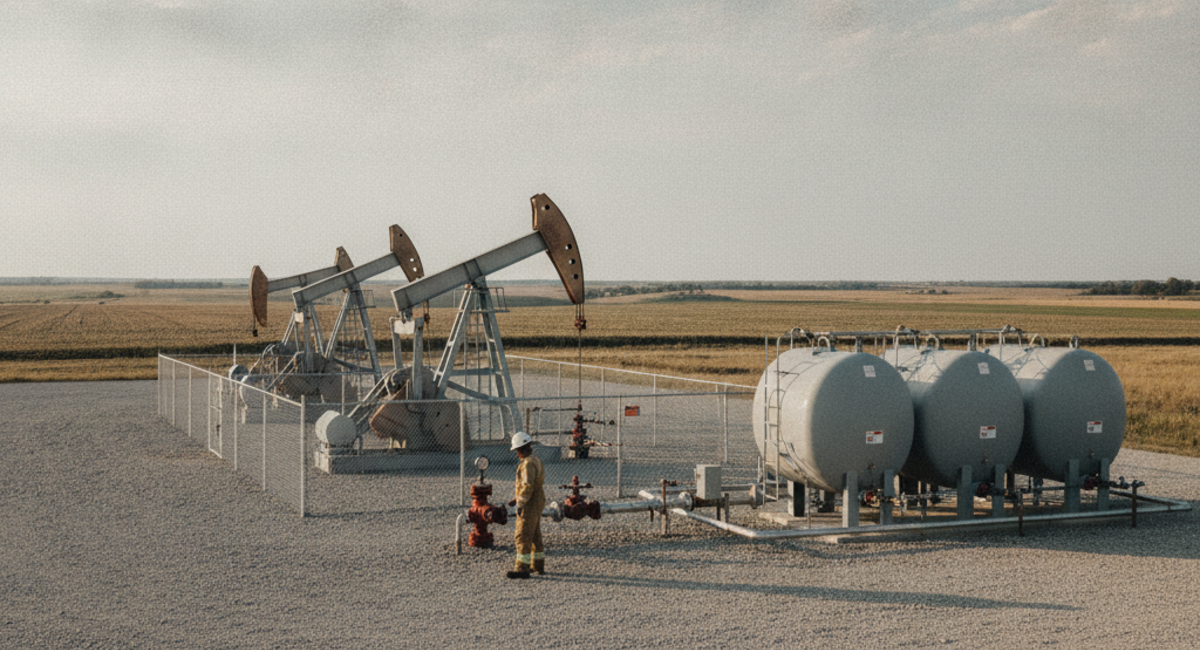
Direct Participation (DPPs): Substantial capital required, less liquidity, full project exposure.
Royalty Interests: Moderate investment, regular passive income, lower operational risk.
Partnerships/Joint Ventures: Complex structures, high potential rewards and risk, intensive research needed.
How Do Oil and Gas Investment Structures Differ?
Key distinctions exist between oil and gas investment options with regard to control, transparency, and payout mechanisms. Equities and ETFs offer daily liquidity and third-party oversight, suitable for transparent tracking. DPPs and partnerships demand close monitoring and offer greater control, while royalties deliver steady income with less operational risk. Selecting the most compatible structure requires understanding each one’s compliance and payout dynamics.
Which Investment Option Suits Your Strategy?
Strategic alignment necessitates weighing personal risk appetite, liquidity preference, and portfolio objectives. Investors seeking income stability may favor royalty interests, while growth-focused participants might pursue equities or high-potential private projects. Realistic goals, access to sector information, and due diligence are crucial for narrowing down the optimal fit.
Cost Breakdown and Real-World Case Studies
Cost transparency and real-world stories help investors understand potential expenses and achievable returns. This section clarifies typical fee structures and presents tangible success cases from recent years.
What are Common Costs and Fees in Oil and Gas Investments?
Investors encounter varied expenses depending on investment type and platform. For public equities and ETFs, costs mainly include management and transaction fees. DPPs, royalties, and partnerships involve structuring charges, asset management, and operational expenses, often disclosed in offering documents. Comparative tables on leading investment portals frequently clarify differences for decision-making.
Real-World Success Stories in Oil and Gas Investing
Case studies from 2023 to 2025 illustrate where thoughtful due diligence and timing have driven strong returns. Investors in royalty portfolios saw resilient cash flows during commodity slumps, while equity participants benefited from sector rebounds. A 2025 CFA Institute survey noted heightened satisfaction among investors prioritizing transparent fee structures and vetted sponsorships, identifying these factors as strongly correlated with sustained positive outcomes.
Integrating Oil and Gas Investments in Your Portfolio
Incorporating oil and gas investments should be viewed in the context of overall portfolio balance and emerging sector trends. This section offers guidance on allocation and risk management for energy-focused investment plans.
How Should Investors Build an Energy-Focused Portfolio?
Prudent portfolio construction embraces diversification within the energy sector, combining oil and gas assets with renewables or related infrastructure for risk dispersion. Tactical allocation, supported by periodic rebalancing, helps ensure that sector-specific volatility does not dominate portfolio results.
Evaluating Oil and Gas Investments’ Role in Sustainable Portfolios
Sustainability concerns are reshaping energy investing, with increased investor scrutiny on emissions profiles and ESG considerations. Analytical tools such as market dashboards and portfolio trackers assist in evaluating and rebalancing oil and gas exposures, aligning with shifting policy and sustainability imperatives.
Conclusion
Oil and gas investment opportunities cover a spectrum from public equities to direct and royalty interests, each serving different risk and return objectives. Success hinges on due diligence, cost transparency, and a clear match between investment vehicle and personal goals. For ongoing knowledge and up-to-date guidance, Invest In Energy offers extensive resources for informed energy investing decisions.
Frequently Asked Questions
What returns can I realistically expect from oil and gas investments?
Returns fluctuate based on investment type, commodity cycles, and timing. Public equities may provide consistent yields, whereas DPPs and royalties vary widely and can produce higher gains or losses depending on project and market outcomes.
How do I know which type of oil and gas investment is safest for me?
Risk depends on your objectives, liquidity needs, and time horizon. Publicly listed stocks and ETFs provide maximum transparency and flexibility, while DPPs and royalties require careful due diligence but may offer higher returns for suitable profiles.
Are oil and gas royalties suitable for beginners?
Royalty interests can offer more stable and predictable cash flows with lower ongoing management demands, but require investors to review contract terms closely and work with reputable partners or platforms, especially for newcomers.
Can I invest in oil and gas without large amounts of capital?
Stocks and ETFs allow relatively small capital investments, while private deals, such as direct participation or joint ventures, typically require larger minimum contributions and active engagement.
What are the main tax implications for oil and gas investors?
Specialized tax benefits, such as the deduction of intangible drilling costs or depletion allowances, may be available in oil and gas investing, but rules vary by investment type and should be verified through consultation with a tax advisor.
Public equities, DPPs, royalties, and partnerships each present unique access, risk, and return characteristics for energy investing. Diligence in cost comparison and structure selection offers a foundation for more resilient portfolios, with sector knowledge from Invest In Energy delivering critical value.

Comments