


Key Takeaways
- Understanding how to read an oil and gas reserve report requires knowledge of reserve definitions, classification systems, regulatory frameworks, estimation methods, and the implications of underlying assumptions, empowering investors to make well-informed energy investment decisions and to accurately assess both.
Abstractive Summary
Oil and gas reserve reports form the foundation for evaluating the size and long-term economic value of energy assets. The industry’s use of standardized classification and reporting systems, particularly those required by regulators like the SEC, shapes how reserves are disclosed to investors.
This guide explains how to navigate reserve definitions, understand global frameworks, and critically assess estimation and disclosure processes. Readers will gain essential knowledge to make well-informed investment decisions, with expert guidance provided by Invest In Energy for every step of the evaluation process.
Key Takeaways
Oil and gas reserve reports specify volumes, classifications, and economics of reserves.
Proved, probable, and possible categories affect asset assessment and risk.
SEC and global guidelines determine reporting and compliance standards.
Reserve estimation relies on technical methods and key assumptions.
Accurate interpretation helps investors identify both value and potential pitfalls.
Introduction to Oil and Gas Reserve Reports
Oil and gas reserve reports are critical documents used to communicate the size, classification, and future potential of hydrocarbon assets. The most effective reports reflect compliance with international frameworks that standardize how oil and gas reserves are presented and evaluated for investment purposes.
Investors rely on reserve reports to compare opportunities, assess value, and manage risk. Understanding reserve reports enables readers to evaluate the credibility of disclosures, compare regulatory standards, and recognize both technical and economic assumptions behind reported figures.
What is an oil and gas reserve report and why does it matter for investors?
An oil and gas reserve report is a technical document detailing the estimated recoverable volumes from producing and undeveloped fields, along with classifications and underlying assumptions. Investors use these reports to understand asset value, future cash flow potential, and overall risk before allocating capital.
How do reserve reports affect investment evaluation and decision-making?
Reserve reports directly influence investment assessment by outlining reserve quantities, their classification (such as proved, probable, and possible), and key economic assumptions. The clarity, methods, and regulatory compliance in the report shape investor confidence and drive comparative analysis among assets.
What key terms should every reader of a reserve report know?
Readers should understand terms such as proved reserves, probable reserves, possible reserves, reserve estimation, volumetric calculations, decline curve analysis, SEC oil and gas rules, and resource management systems. Each term reflects a distinct concept in oil and gas reserves evaluation and reporting.
How are reserve reports prepared and who produces them?
Reserve reports are prepared by independent third-party firms or in-house technical experts, frequently using advanced tools for reserve estimation. Industry professionals, chiefly petroleum engineers and geoscientists, apply classification systems and follow regulatory frameworks to ensure accuracy and compliance in documentation.

Reserve Definitions and Classification Systems
Interpreting a reserve report starts with understanding reserve categories and the global systems that define them. Investors benefit by recognizing how standards shape reported values and influence asset comparisons.
What are the main oil and gas reserve classifications used globally?
Globally, reserves are classified into three primary categories: proved, probable, and possible. These categories, defined by regulatory and industry groups, distinguish reservoirs based on geological and engineering certainty, and guide volume disclosure and asset evaluation.
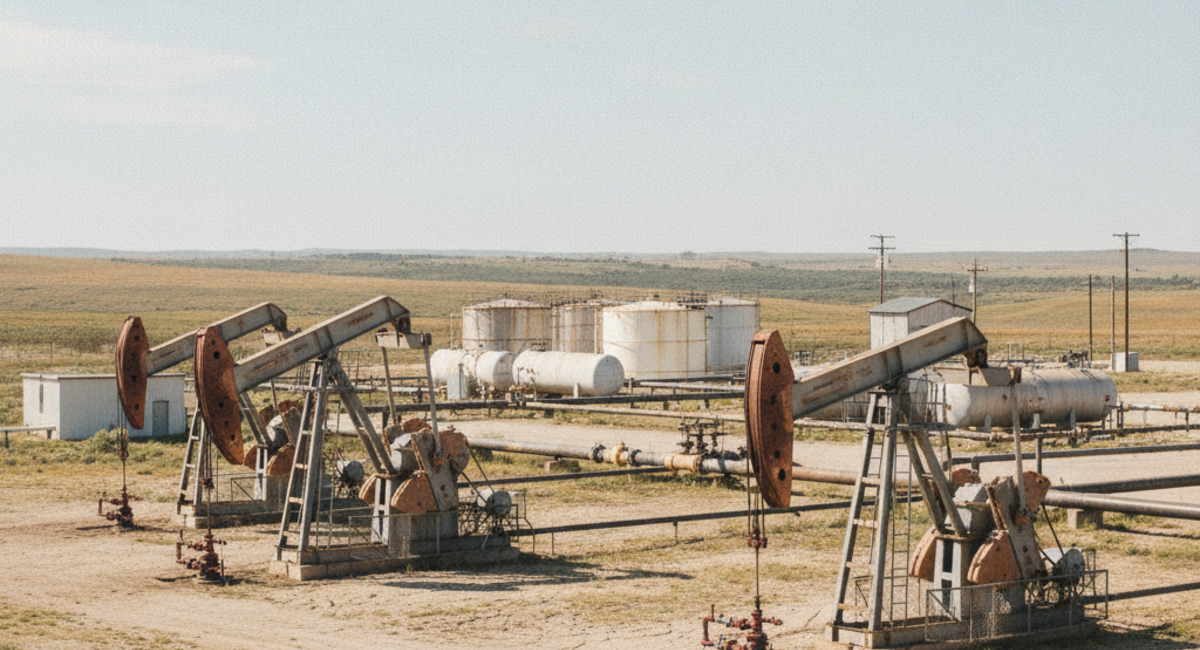
How are proved, probable, and possible reserves defined?
Proved reserves are quantities recoverable with high certainty (at least 90% probability), supported by demonstrated engineering and geological analysis.
Probable reserves have lower confidence (at least 50% probability), reflecting additional volumes with less certainty.
Possible reserves represent further quantities with the lowest certainty, providing upside potential under favorable conditions.
What is the role of the Petroleum Resources Management System (PRMS)?
The PRMS is an industry standard developed by leading societies that provides a consistent framework for reserve and resource classification. It is widely applied for reporting, allowing comparison across international operators and facilitating transparency in reserve estimation methods and categories.
How do SEC, SPE/WPC/AAPG/SPEE, and UNFC classification systems compare?
A comparative understanding of classification systems assists investors in interpreting varying global disclosures. For example, the SEC imposes strict criteria for proved reserves and standardized pricing, while SPE/WPC/AAPG/SPEE PRMS allows broader definitions useful for international comparisons. The UNFC system further incorporates sustainability and project maturity. A 2023 Oxford Energy Institute study found that crosswalking these systems enables global reserve benchmarking and improved disclosure harmonization.
Regulatory Standards and Disclosure Requirements
Regulatory frameworks and disclosure rules are integral to the reporting process. Knowing these standards allows investors to verify reserve integrity and regulatory compliance.
What are the SEC's rules on disclosure of oil and gas reserves?
The SEC’s reporting rules demand disclosure of proved reserves based on current economic and technical criteria. Companies must use consistently applied methodologies, document engineering and geoscience inputs, and apply a twelve-month average commodity price for valuation, ensuring comparability.
How do international agencies standardize reserve disclosure requirements?
International standards, such as those from the International Energy Agency and the PRMS board, require classification by certainty, project status, and disclosure of supporting technical assumptions. Uniformity in disclosure streamlines investor due diligence across markets.
What is the scope of regulatory authority for reserve booking and reporting?
Regulatory organizations like the SEC, state agencies, and certain global boards enforce reserve estimation and reporting, detailing requirements for documentation, audit, and material changes. This authority establishes investor trust and the minimum standards for public disclosures.
What documentation and assumptions must regulatory filings include?
Regulatory filings must contain detailed reserve estimates, methodologies used, economic assumptions (such as prices, costs, and technology status), and credentials of reserve evaluators. Filings are expected to demonstrate transparency and facilitate independent validation, especially during public listings and annual reporting cycles.
Reserve Estimation Methods and Key Assumptions
The estimation of oil and gas reserves is an applied technical discipline. Investors gain insight by focusing on calculation approaches and verifying disclosure of economic and operational assumptions.
What are the most common reserve estimation methods?
Several standard methods are used for reserve estimation, with choice depending on project maturity and available data. These include volumetric calculations, decline curve analysis, and reservoir simulation. Each method offers benefits and unique limitations for different field types.
How do deterministic and probabilistic approaches differ?
Deterministic methods rely on single best-estimate input values to calculate reserves, producing a discrete figure for each category.
Probabilistic methods generate a range of possible outcomes (such as P90, P50, P10) using statistical techniques, reflecting uncertainties and enabling risk-weighted analysis.
Which assumptions (e.g., pricing, technology) influence reserve estimates?
Key assumptions in reserve estimation include:
Reserve estimations are affected by commercial, technical, and economic factors. Understanding these assumptions is vital for accurate interpretation.
Commodity prices: Often set by regulatory rules (e.g., twelve-month SEC average)
Operating costs: Directly influence economic thresholds for booking reserves
Recovery technology: Advances can alter recoverable volumes and classification
Field development plans: Timelines and scope drive reserve conversion and upgrades
What are some emerging technologies in reserve estimation?
Modern reserve estimation methods increasingly leverage digital platforms, such as simulation software powered by machine learning and AI-assisted well log evaluation. According to a 2025 International Energy Agency report, digitalization improves accuracy, real-time analysis, and auditability, allowing for more dynamic reserve assessments that support evolving project strategies.
Reading Reserve Reports: Investor Perspectives and Risks
Reserve reports demand thoughtful analysis due to variability in economic assumptions, estimation uncertainty, and regulatory environments. Investors should look beyond headline figures to validate disclosures and manage risks associated with reserve estimation.
How should investors interpret the economic value and limitations in reserve reports?
Reserve reports communicate both value and uncertainty. While proved reserves may reflect highly predictable production, probable and possible reserves offer upside that is less certain. Investors must equate category, supporting documentation, and compliance standards to economic reality.
What risks or common mistakes can occur in reserve reporting?
Common pitfalls stem from optimistic assumptions, inadequate documentation, misclassification, and insufficient sensitivity analysis. According to a 2024 Society of Petroleum Engineers study, lack of transparency about economic input changes is a primary risk factor, emphasizing the requirement for full disclosure of methodology and price deck assumptions.
How do pricing and technology assumptions impact reserve numbers?
Assumptions regarding commodity prices and recovery technology can materially alter reported reserves. Higher prices may lead to larger volumes being classified as economically viable, but abrupt price reductions, along with outdated or over-optimistic technology assumptions, can result in downward revisions, affecting investment outcomes.
What are examples of misestimation and regulatory ramifications in practice?
Case studies highlight the risk of non-compliance or technical overstatement, which can prompt regulatory investigation, asset write-downs, or shareholder litigation. Consequences often include mandatory restatements and reputational damage, underscoring the need for rigorous reporting, clear documentation, and adherence to booking criteria.
Key Investor Takeaways from Oil and Gas Reserve Reports
Reviewing a reserve report requires awareness of its underlying categories, compliance, and supporting documentation. Focus on these core principles:
Understanding key reserve report components underpins confident due diligence, effective comparison, and risk management in oil and gas investments.
Assess reserve categories: Proved, probable, and possible each confer differing risk and asset value
Confirm disclosure and compliance: Verify adherence to regulatory frameworks such as the SEC and PRMS
Scrutinize economic assumptions: Analyze price decks, development costs, and applied technology to validate estimate credibility
Review supporting evidence: Evaluate the quality and detail of data, maps, and volumetric calculations justifying reported volumes
Advancements, Global Analysis, and Industry Trends
Technological advancements and international standards are rapidly shaping reservoir evaluation and reporting. Investors benefit from understanding the global landscape and emerging data resources.
How do global and regional oil and gas reserves compare?
Global and regional reserve variability reflects differences in geology, investment climate, and regulatory standards. Robust comparative analysis facilitates strategic assessment of asset portfolios and regional opportunities, as shown in recent IEA reserve data compilations.
Which data platforms or resources offer reliable reserve information?
Access to validated reserve data is critical. Major sources include regulatory databases such as the U.S. SEC EDGAR system for company filings, and EIA reports for global market trends. Operators increasingly rely on proprietary modeling tools for technical analysis and reserve booking.
What industry trends and technologies are shaping future reserve estimates?
Industry trends such as real-time reservoir monitoring, digital twin technology, and automated data analytics are redefining reserve estimation excellence. The International Energy Agency’s recent outlook highlights the growing role of AI and cloud data management, which streamline annual updates, support auditability, and sharpen investment analysis.
Modern Tools and Platforms for Reserve Analysis
Today’s reserve analysts use an evolving suite of resources to maximize the quality and transparency of reserve reports. Technology adoption supports timely, actionable evaluation.
The reserve reporting landscape is enhanced by:
U.S. SEC EDGAR for comprehensive company-level reserve disclosures
EIA (U.S. Energy Information Administration) for authoritative market and reserve statistics
Specialized proprietary software, which is central to modern oil and gas reserves evaluation, enabling complex scenario modeling and compliance tracking
Investors evaluating reserves can benefit from understanding how integrated platforms, databases, and advanced modeling improve transparency and reliability in oil and gas reserve estimation. For a practical perspective, our in-depth oil and gas reserves evaluation guide provides strategic insight on due diligence.
For related context, see oil and gas investment opportunities.
For related context, see working interest in oil and gas.
For related context, see oil well investment ROI.
Conclusion
A comprehensive reading of oil and gas reserve reports, grounded in reserve classification, estimation method, and regulatory compliance, enables investors to identify asset value, quantify uncertainty, and mitigate risk. Industry leaders and regulatory standards set the framework for effective investment evaluation and sound energy sector decision-making. Explore additional guidance and analysis through Invest In Energy’s resources.
Frequently Asked Questions
How often are oil and gas reserve reports updated, and why does the timing matter?
Oil and gas reserve reports are typically revised annually, allowing for adjustments based on price movements, operations, or technology adoption. Timely updates ensure the data reflects current asset values, essential for investment appraisal and compliance verification.
What is the difference between reserves and resources in industry terminology?
Reserves are volumes confirmed as economically recoverable and technically feasible under current conditions. In contrast, resources encompass broader quantities that may potentially be exploitable, though not all meet economic or technical thresholds. This distinction underpins accurate portfolio and asset valuation.
How do reserve assumptions about commodity prices affect reported values?
Reserve figures depend on the commodity price deck assumed during estimation. Regulatory agencies, such as the SEC, often mandate a specific historical period for pricing. Adjustments, especially optimistic or pessimistic price scenarios, can lead to significant revisions and impact financial evaluations.
What qualifications or credentials do third-party reserve evaluators typically hold?
Reserve evaluators are primarily professional petroleum engineers, geoscientists, or equivalent domain experts accredited by recognized industry societies. Their credentials, experience, and adherence to industry protocols increase the reliability and credibility of reserve disclosures.
Where can investors find reliable oil and gas reserve disclosure documents for due diligence?
Public filings are available through the SEC EDGAR platform, technical summaries from regulatory authorities, and market databases such as the EIA. Independent resources, including guidance from Invest In Energy, offer comprehensive support for in-depth due diligence.
A systematic review of reserve reports, key classifications, estimation approaches, and regulatory frameworks is vital for identifying accurate asset values and risk. Understanding the difference between proved versus probable reserves, following compliance with reporting standards, and evaluating reserve assumptions are essential strategies. Answers to these elements can be found with dedicated support from Invest In Energy.

Comments