


Key Takeaways
- Oil and gas direct participation programs (DPPs) provide investors with direct ownership in energy assets, offering tax advantages but also exposing them to unique risks and due diligence demands that make careful evaluation and professional guidance essential for determining their role in a broader investment strategy.
Oil and gas direct participation programs (DPPs) are investment structures granting participants direct stakes in energy-producing assets. A key consideration in the DPP landscape is the balance between attractive benefits and the need for specialized suitability, due diligence, and regulatory awareness. Investors and advisors must assess these programs critically, as DPPs require a higher level of scrutiny compared to more traditional investment vehicles.

This article explains how oil and gas DPPs operate, highlights their benefits and risks, and provides actionable steps for potential investors. Readers will learn how to assess DPP opportunities with confidence, leveraging Invest In Energy's expert knowledge and resources tailored for informed energy investment decisions.
Key Takeaways
Oil and gas DPPs offer direct ownership in energy assets, bypassing traditional securities.
They involve complex tax implications and regulatory considerations.
Benefits include potential tax advantages, but risks include illiquidity and market volatility.
DPP investments are often suitable for experienced or accredited investors.
Comprehensive due diligence and review of sponsor credentials are essential to mitigate risks.
Understanding Oil and Gas Direct Participation Programs
Investors interested in oil and gas DPPs need to understand their unique structure, processes, and the differences from other alternative pooled investments. The following sections clarify what these programs are, how they operate, and how they compare to similar investment vehicles in the real estate and equipment sectors.
What is a direct participation program in oil and gas?
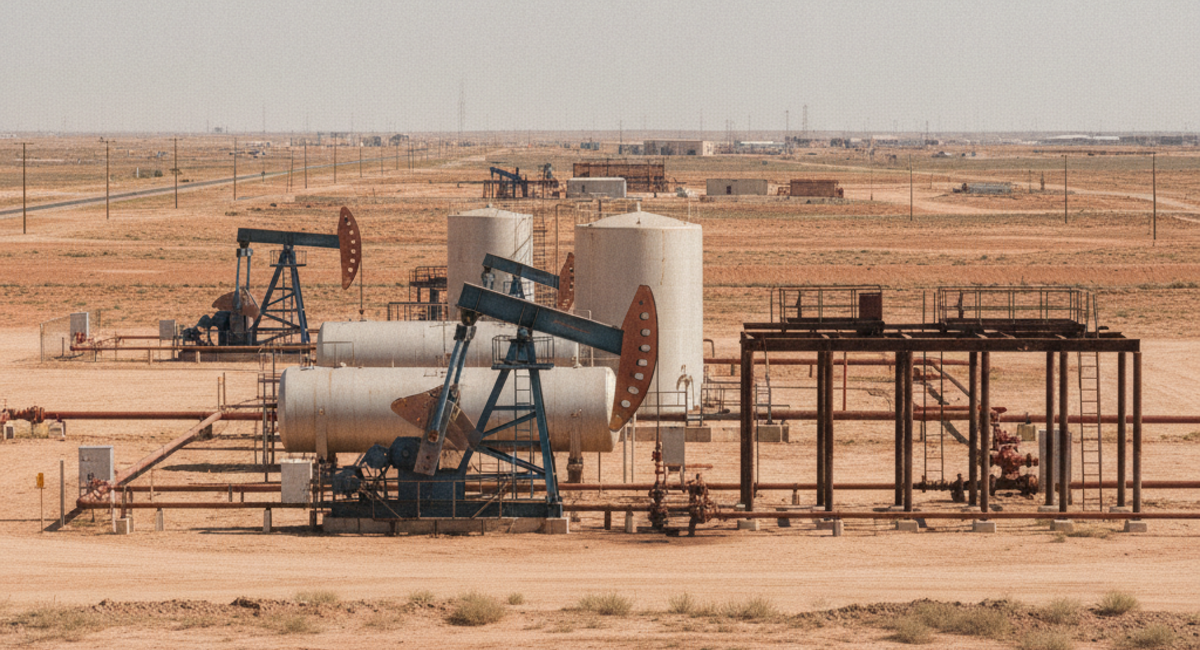
Oil and gas DPPs allow investors to acquire direct ownership interests in exploration or production projects. Unlike traditional investments in energy stocks or funds, DPPs give participants a share of operational outcomes, offering both income and tax benefits. The most common DPP structures in the sector include limited partnerships (LPs) and limited liability companies (LLCs), which are favored for their combination of pass-through tax treatment and liability shielding.
How do direct participation programs work?
DPP investment structures rely on both the sponsor (who manages the project) and the investors (who supply capital). Sponsors are responsible for all operational, reporting, and compliance activities, while investors receive distributions proportional to their ownership. Cash flows originate from project revenues, such as oil or gas sales, and are typically distributed periodically according to a pre-defined agreement. Major platforms like Juniper Square and Dynamo are widely used by DPP sponsors for investor management and reporting, supporting transparency and operational efficiency.
Types and structures: Oil and gas vs. real estate and equipment leasing
Oil and gas DPPs, real estate DPPs, and equipment leasing programs all facilitate direct ownership in underlying assets but vary in asset volatility, regulatory oversight, and revenue streams. Real estate DPPs focus on property ownership and rental income, while equipment leasing targets cash flow from leased assets such as transportation fleets. The primary distinction is risk: oil and gas DPPs are highly sensitive to commodity price fluctuations and operational uncertainties, while real estate and equipment leasing tend to offer more stable, but potentially lower, returns. Alternative pooled investments likewise offer access to specialized asset classes but may not provide the same level of hands-on exposure.
Beyond the Stock Market: Portfolio benefits of direct participation
DPPs enable diversification beyond traditional equities and bonds, potentially smoothing portfolio volatility by introducing assets with low correlation to public markets. These instruments can be especially valuable for experienced investors seeking direct exposure to sectors such as energy or property, particularly when included as part of a broader alternative investment allocation.
Benefits, Risks, and Key Considerations for DPP Investors
A clear-eyed understanding of potential advantages and drawbacks is fundamental when evaluating any direct participation program in oil and gas. Upcoming sections address expected returns, tax treatment, inherent risks, and suitability requirements, all of which are critical to informed participation decisions.
What are the potential benefits of oil and gas DPPs?
Oil and gas DPPs offer several core benefits for qualified investors who understand the sector’s complexity:
Potential for regular income from the sale of produced oil and gas.
Direct exposure to tangible energy assets, bypassing intermediaries.
Substantial tax deductions for intangible drilling costs (IDCs) and depletion allowances, especially under U.S. energy tax law. According to a 2024 Deloitte report on energy investment tax policies, these benefits can significantly offset taxable income in qualifying cases.
Portfolio diversification due to asset correlation differences compared to public stocks and bonds.
Many investors explore oil and gas investment tax benefits to inform DPP suitability within broader tax-optimized strategies.
Risks to consider with direct participation programs
Risks are an intrinsic aspect of DPP investment and understanding these challenges is crucial before committing capital. Major risks include:
Operational uncertainty, such as project underperformance or delays, which can significantly impact returns.
High upfront fees and illiquidity, making early exit difficult or costly.
Commodity price volatility, directly affecting cash flows and market value of assets.
Sponsor risk: an inexperienced or opaque sponsor can increase the likelihood of mismanagement or compliance issues.
A 2023 FINRA alert emphasized that DPP investors are especially vulnerable to hidden fees, illiquidity, and overly optimistic projections without independent verification.
Suitability: Who should consider investing in a DPP?
Suitability for DPPs is generally limited to investors with the ability to absorb higher risks, tolerate illiquidity, and understand complex tax and operational mechanics. Oil and gas DPPs are rarely suitable for average investors because of their advanced knowledge requirements, high minimum investments, and regulatory restrictions on non-accredited participants. Accredited, high-net-worth, or experienced investors are typical candidates for these alternative pooled investments.
Transparency, regulatory, and tax considerations
Recent updates from the SEC and FINRA have heightened disclosure and investor suitability requirements for DPPs. Regulatory oversight now demands clearer reporting of sponsor interests, operational performance, and fee structures. U.S.-based DPPs must also comply with specific tax reporting provisions, particularly around the deduction of intangible drilling costs. Understanding the impact of intangible drilling costs is essential when evaluating the net benefits of a DPP investment.
Evaluating and Selecting a DPP Offering
Selecting a high-quality DPP in oil and gas hinges on rigorous due diligence and careful evaluation. The following sections outline how to assess sponsors, deal structures, and supporting documentation to avoid common investment pitfalls.
How should you evaluate a direct participation program?
Evaluating a DPP requires a systematic review of sponsor quality, deal structure, and offering terms. Key indicators of a robust DPP sponsor include a track record of performance, alignment of interests between sponsors and investors, operational transparency, and third-party audits. Investors should analyze projected cash flows, reserve estimates, and distribution mechanisms. Several sponsors use platforms like Box and DocuSign for secure document management and workflow transparency, increasing investor confidence in the offering.
Reviewing DPP disclosure documents and understanding fees
Disclosure documents are central to investor protection in any DPP offering. Investors must scrutinize the Private Placement Memorandum (PPM), fee disclosure statements, and audited financials for full transparency. The SEC EDGAR database is a primary source for independent document verification, allowing investors to confirm sponsor representations. Legal and accounting advisors should be consulted to clarify ambiguities in structure, fees, and operational projections tied to DPP investment.
Step-by-step investor due diligence checklist
A thorough process is needed to evaluate a DPP before committing capital. The following checklist outlines essential steps:
Research the sponsor’s historical record and alignment of interests with investors.
Examine historical returns for similar oil and gas DPPs to understand performance potential.
Investigate operational transparency, including timeliness and detail in sponsor reporting, as well as third-party audits of operational and financial data.
Confirm the DPP’s alignment with the investor’s specific tax and risk profile, seeking independent advice when necessary.
Common red flags and pitfalls for DPP investors
Several warning signs can signal elevated risk in oil and gas DPP offerings. Investors should be alert to the following pitfalls: unrealistic return projections, particularly those lacking verification from independent sources; excessive upfront fees, which can erode returns; illiquid structures that make exit difficult or impossible within the intended timeframe; insufficient disclosure of operational, legal, or market risks; and abrupt sponsor management changes. These risks were highlighted in a 2023 FINRA alert focused on alternative pooled investment vulnerabilities.
Specialized DPPs and Case Insights
Oil and gas programs are not the only applications of the DPP structure. This section explores how oil and gas programs differ from real estate and equipment leasing DPPs, and provides real-world case insights to contextualize lessons learned. Unique applications, such as in non-profit sectors, also illustrate the structure’s broader potential.
Oil and gas programs vs. real estate and equipment leasing DPPs
Oil and gas DPPs are typically characterized by higher volatility and return variability compared to real estate DPPs, which focus on rental income and property appreciation under more stable market conditions. Equipment leasing DPPs generate returns through recurring lease payments for specialized machinery. Regulatory oversight for oil and gas programs tends to be stricter due to their inherent operational and market risks, while real estate and equipment leasing are often governed by more familiar real asset regulations. Investors seeking a working interest in tangible energy assets often prioritize oil and gas DPPs for their direct operation exposure.
Real-world examples: Case studies and lessons learned
Recent case studies highlight the importance of thorough due diligence in oil and gas DPPs. In one scenario, experienced investors in a Texas drilling partnership benefited from upfront tax deductions but faced delays and overestimated reserves, which ultimately reduced distributions. Another case featured a well-structured DPP sponsor with robust disclosure practices and third-party audits, resulting in relatively stable cash flows despite commodity price fluctuations. Lessons learned consistently emphasize sponsor quality, realistic expectations, and operational transparency as key success factors.
Anybody ever invested in DPP for a developmental disability center?
DPPs are occasionally used to fund specialized projects beyond traditional sectors. Investments in developmental disability centers, for example, have adopted DPP structures to allow direct ownership and revenue sharing among participants. While less common than energy or real estate applications, these niche DPPs face unique regulatory considerations and demand careful operational oversight tailored to their market environment.
How to Advise and Proceed With Oil and Gas DPPs
Sound advisory practices and structured evaluation processes are essential for unlocking the full potential of oil and gas DPPs. Professional guidance, combined with targeted research and partnership with reputable sponsors, can help manage risks and align investments with specific objectives.
How advisors guide clients on direct participation programs
Financial professionals play an active role in assessing DPP suitability for clients by conducting individualized risk assessments, confirming tax implications with qualified professionals, and benchmarking sponsors against industry standards. The advisory process addresses investor objectives, risk tolerance, and the complexity of DPP offerings, positioning the investment within a broader portfolio strategy.
How to take the next step: Finding opportunities and partners
DPP investors should begin their search by vetting sponsors through industry databases, consulting third-party performance reviews, and using research tools like the SEC EDGAR database for compliance verification. For those exploring direct participation in oil and gas, curated resources from professional entities provide frameworks and best practices. Investors can also review specific oil well investment and oil and gas investment opportunities to identify reputable openings.
Conclusion
Oil and gas direct participation programs offer a distinct route to energy asset ownership, blending unique rewards and significant complexities. A strong grasp of DPP mechanics, active evaluation of sponsor quality, and adherence to rigorous due diligence, all supported by expert resources, help investors decide if DPPs align with their financial strategies.
Frequently Asked Questions
How liquid are oil and gas DPP investments?
Oil and gas DPPs are generally illiquid. Since they represent direct ownership in operating assets, resale or redemption options are often limited and may take months or longer, subject to sponsor discretion and operational conditions.
What’s the difference between a DPP and a REIT?
A DPP provides direct ownership and operational influence over underlying assets, exposing participants to project-level outcomes. REITs, by contrast, are pooled, exchange-traded securities with broader diversification and usually greater liquidity, but less operational control.
Do oil and gas DPPs offer guaranteed returns?
No, oil and gas DPPs do not guarantee returns. Investment outcomes depend on operational results, commodity market performance, and the specific structure of the underlying project, with no assurance of steady income or principal preservation.
How do DPP tax advantages work in practice?
DPP tax advantages, including deductible intangible drilling costs and depletion allowances, can materially reduce taxable income for qualifying investors. However, results vary by program and investor profile, making professional tax counsel essential before investing.
What role does due diligence play in DPP investing?
Due diligence is fundamental for identifying sponsor quality, understanding fee structures, and uncovering hidden risks. Comprehensive review of offering documents, alignment with tax status, and independent third-party audits all help protect DPP investors.
Oil and gas DPPs grant direct asset ownership and possible tax advantages, but come with notable risks and require careful due diligence, making them most appropriate for experienced investors. Consult Invest In Energy for guidance and educational resources to support decision-making.

Comments